How Alcohol Consumption Affects Liver Function and Body Composition
How Alcohol Consumption Affects Liver Function and Body Composition
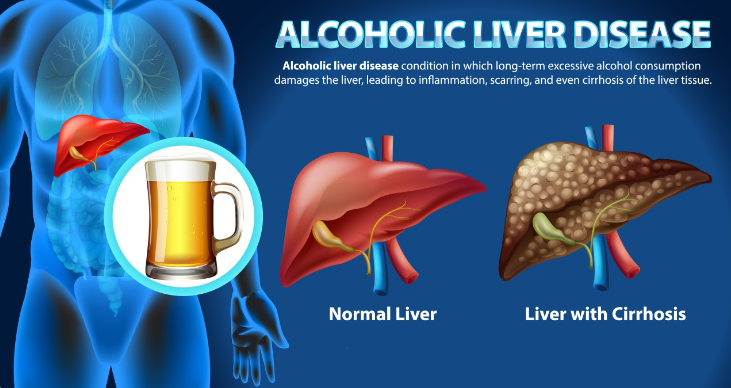
Alcohol is deeply ingrained in many cultures — used to celebrate, socialize, and unwind. While moderate consumption may not be harmful for everyone, regular or excessive drinking takes a significant toll on the body. Two areas most profoundly affected are liver function and body composition.
Understanding how alcohol impacts these systems can help you make more informed decisions about your drinking habits — and what they mean for your overall health.
🏥 1. The Liver: Your Body’s Detox Center
The liver plays a central role in processing nutrients, detoxifying harmful substances, and regulating metabolism. It’s also the primary site where alcohol is broken down.
🧪 How Alcohol Is Processed in the Liver
- Alcohol is converted into acetaldehyde, a toxic compound, by the enzyme alcohol dehydrogenase (ADH).
- Acetaldehyde is then converted into acetate and eventually water and carbon dioxide, which the body can eliminate.
⚠️ How Alcohol Harms the Liver
When alcohol is consumed in excess or frequently, it overwhelms the liver’s ability to process it efficiently. This can lead to several conditions:
1. Fatty Liver (Steatosis)
- Even short-term heavy drinking can lead to fat accumulation in liver cells.
- This is often reversible with abstinence but can progress if drinking continues.
2. Alcoholic Hepatitis
- Prolonged alcohol use causes inflammation and swelling of liver tissue, often accompanied by symptoms like jaundice, abdominal pain, and fatigue.
- This stage can be life-threatening and may require hospitalization.
3. Cirrhosis
- The final stage of alcohol-related liver disease involves scarring (fibrosis) that permanently impairs liver function.
- Cirrhosis can lead to liver failure, requiring a transplant in advanced cases.
🧬 Alcohol and Liver Enzymes
- Elevated levels of liver enzymes (like ALT and AST) in blood tests often signal liver stress or damage due to alcohol.
- Binge drinking can cause spikes in these enzymes even after a single session.
⚖️ 2. Body Composition: More Fat, Less Muscle
Alcohol not only affects the internal organs, but also reshapes your physical body — often in ways that are not immediately visible but have long-term consequences.
🍻 High-Calorie, Low-Nutrition
- Alcohol contains 7 calories per gram, almost as much as fat (9 cal/g), but offers no nutritional value.
- Alcoholic drinks often come with added sugars and mixers, quickly increasing total calorie intake.
🧂 Fat Gain
- Drinking alcohol slows down fat metabolism. When alcohol is in your system, your body prioritizes burning it for energy over carbohydrates or fat.
- This often results in increased fat storage, particularly around the abdomen (visceral fat) — a risk factor for heart disease and insulin resistance.
💪 Muscle Loss
- Chronic alcohol use disrupts protein synthesis, the process by which the body builds and repairs muscle.
- It also lowers levels of testosterone and growth hormone, both of which are critical for maintaining lean muscle mass.
- Over time, this leads to muscle wasting, especially if combined with poor nutrition or a sedentary lifestyle.
🧃 Nutrient Depletion
- Alcohol impairs absorption of essential nutrients like B vitamins (especially B1 and B12), magnesium, and zinc — all vital for energy metabolism and muscle health.
- Long-term alcohol use can also damage the gastrointestinal tract, further reducing nutrient uptake.
🩺 Visible and Hidden Health Impacts
| Impact Area | Effect of Alcohol |
|---|---|
| Liver | Fatty liver, hepatitis, cirrhosis, enzyme elevation |
| Metabolism | Slowed fat burning, altered hormone levels |
| Muscle Mass | Reduced protein synthesis, hormonal disruption |
| Fat Distribution | Increased belly fat and visceral fat storage |
| Nutritional Health | Vitamin/mineral deficiencies, malabsorption |
✅ Reducing the Risks
If you choose to drink, here are steps you can take to minimize the physical toll:
- Follow moderate drinking guidelines (no more than 1 drink/day for women, 2 for men).
- Stay hydrated: Alcohol is a diuretic and increases fluid loss.
- Eat before or while drinking to slow absorption.
- Take alcohol-free days each week to give your liver a break.
- Support your body with nutrient-rich foods, especially those high in B vitamins and antioxidants.
- Exercise regularly to preserve lean mass and metabolic health.

🧠 Final Thoughts
Alcohol’s effects go beyond a temporary buzz — it reshapes your body from the inside out. The liver, your metabolic engine and detox powerhouse, is especially vulnerable. Meanwhile, alcohol’s impact on calorie balance, hormones, and nutrient status makes it harder to maintain a healthy body composition.
You don’t need to give up alcohol entirely to protect your health, but understanding its consequences can empower you to drink more mindfully and take better care of your body in the long run.
Caution– For approval to receive payment DON’T skip Task
TASK- Click link below to read another Article
